

Set Money Talks Early and Often
Money shapes life more than most parents realize. Yet, many avoid talking about it with kids, thinking they’re too young or that finances are too complex.
Here’s the truth: early conversations about money build confidence, responsibility, and long-term financial literacy. Teaching kids about money isn’t about making them accountants—it’s about shaping decision-making skills, habits, and values.
Why Avoiding Money Talks Backfires
Many parents wait until teens to start financial lessons. Unfortunately, delaying these talks can lead to:
- Poor decision-making: Kids don’t see the consequences of spending or saving.
- Fear or shame around money: Avoidance creates anxiety or secrecy.
- Missed learning opportunities: Everyday choices provide practical lessons in budgeting, patience, and trade-offs.
By addressing money early, you normalize discussion, show transparency, and model healthy behaviors.
Start With Simple Conversations
Kids don’t need complex economics. Begin with practical lessons:
- Use Allowances or Pocket Money: Teach budgeting by letting them divide funds for spending, saving, and giving.
- Explain Earning vs. Spending: Show how chores, gifts, or small jobs earn money, and why choices matter.
- Discuss Wants vs. Needs: Highlight the difference with real-life examples from groceries, toys, or treats.
Even small conversations like these set the foundation for understanding money’s role in life.
Make Money Lessons Interactive
Kids don’t just learn from lectures—they observe. Model healthy habits:
- Talk Through Purchases: Explain why you choose certain products or services.
- Show Budgeting in Action: Let kids see you planning monthly expenses or setting savings goals.
- Share Wins and Mistakes: Admit overspending or a failed investment—showing recovery builds resilience.
By making money management visible, kids internalize practical skills faster.
Start Early, Reinforce Often
Consistency matters. Make money talks part of everyday life:
- During Shopping Trips: Discuss price comparisons and delayed gratification.
- While Doing Chores: Tie chores to earning, explaining work and reward.
- Before Milestones: Talk about savings for birthdays, school supplies, or bigger goals.
Frequent, age-appropriate conversations normalize financial discussions, remove fear, and encourage curiosity.

Equip your kids with real-life money skills! Grab Essential Guide to Financial Literacy for Kids and turn everyday moments into financial lessons
Age-Appropriate Money Lessons
- Toddlers (3-5): Introduce coins and counting, explain simple choices.
- Early Elementary (6-9): Teach savings jars, spending limits, and basic budgeting.
- Tweens (10-12): Introduce allowance tracking, simple bank accounts, and comparison shopping.
- Teens (13+): Discuss credit, debt, taxes, and long-term planning.
Progressively building these lessons ensures your child gains skills suited to their development stage.
Quotes to Remember
- “Financial confidence begins with conversation, not cash.”
- “Kids who see money handled responsibly learn to manage their own with confidence.”
- “Teaching money early sets them up for independence, not dependence.”
The Bottom Line
Starting money talks early and keeping them ongoing isn’t just about dollars—it’s about teaching responsibility, decision-making, and long-term thinking. Dads who model practical habits show kids that financial literacy is achievable, manageable, and even enjoyable.
Keep Building
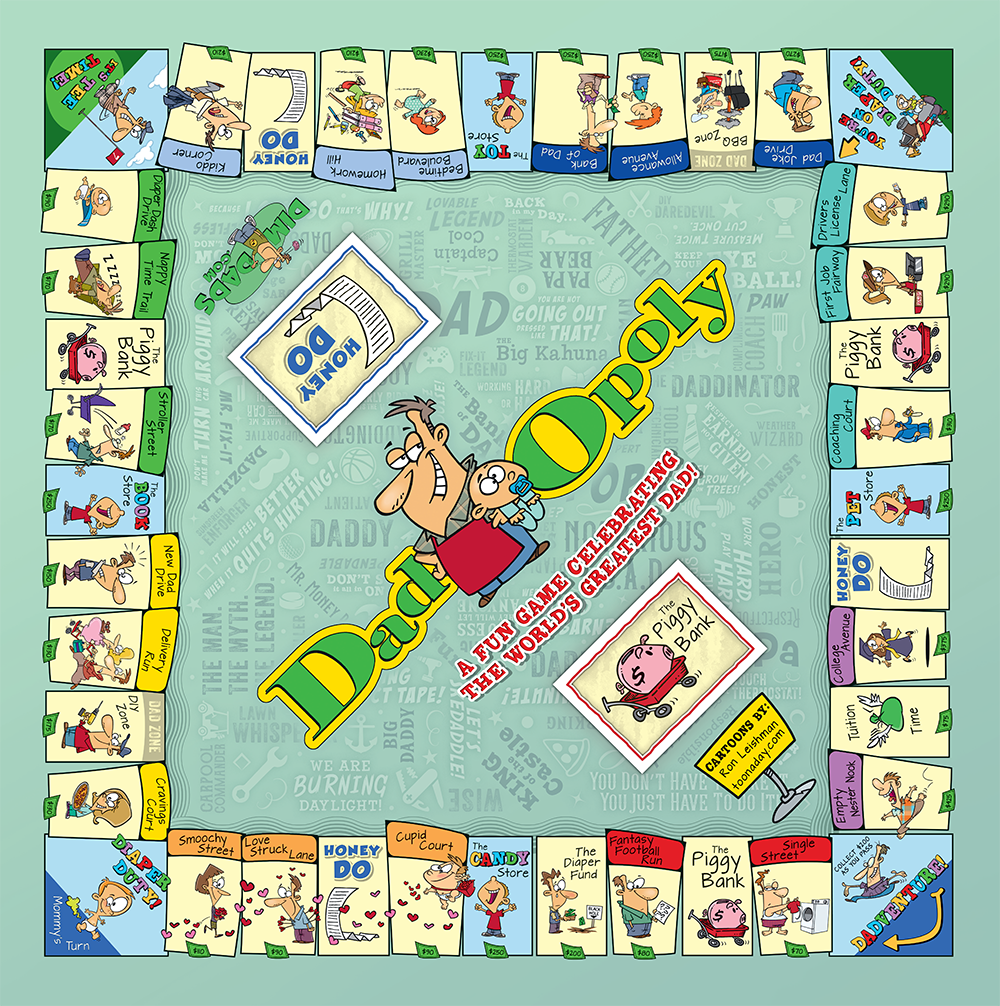
Turn lessons into practice with tools that make money skills interactive. Start with games, hands-on activities, and your own modeled behavior.
If this resonated, share it with another dad who wants to teach kids financial confidence. Drop a comment if you’ve ever used a fun game or activity to teach money—the best lessons often come from play.
DimDads Zone! Check out The Long Game: Start with the End in Mind




0 Comments